
Speech Therapy
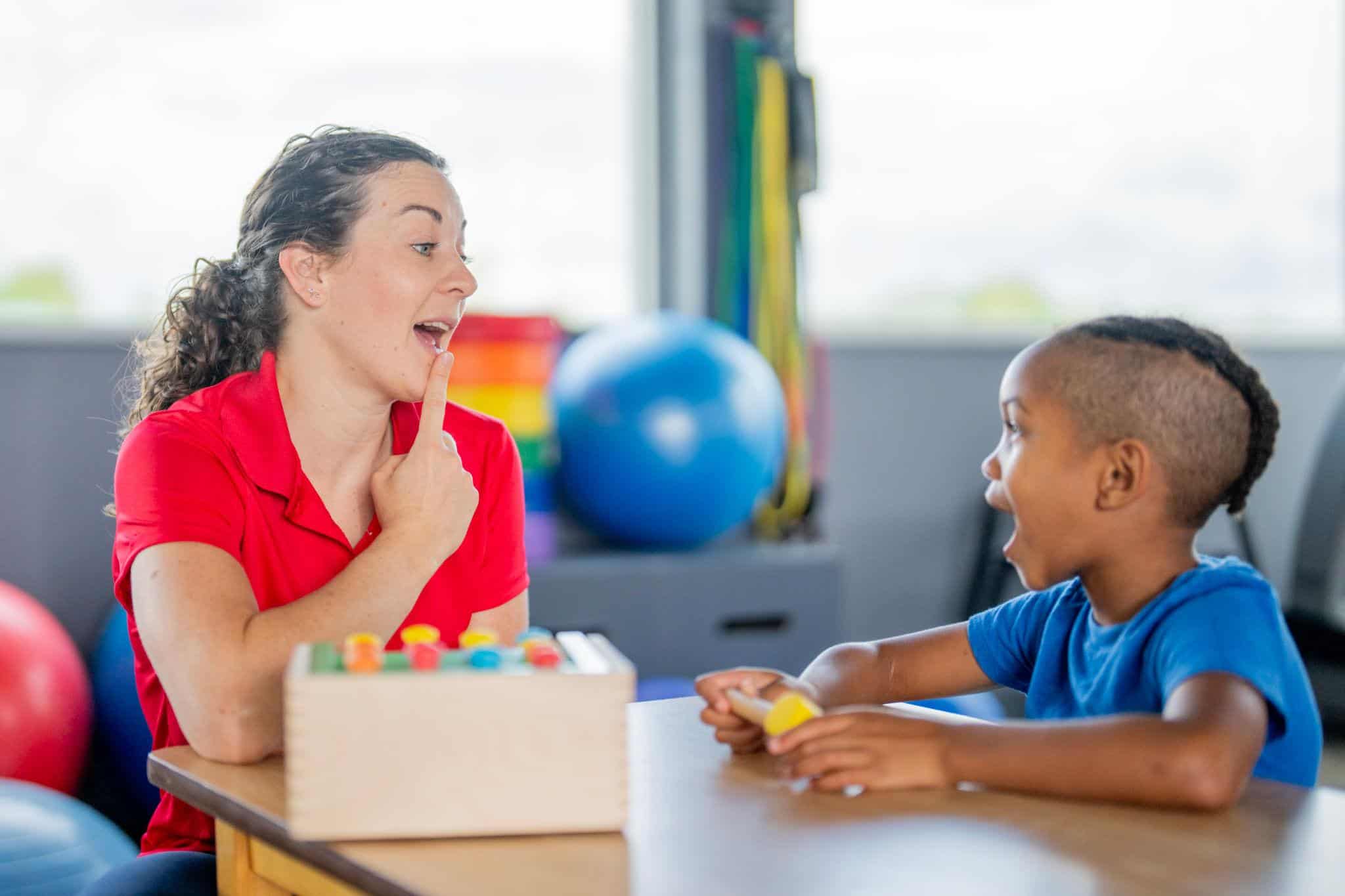
Speech therapy helps children improve their communication skills. This may include helping a child speak more clearly, understand and use language, improve social communication, strengthen feeding or swallowing skills, or use alternative ways to communicate such as communication devices. Speech therapy supports children in expressing their wants, needs, thoughts, and feelings more effectively at home, school, and in the community.
Speech therapy may help children with:
- Expressive Language Delay
- Receptive Language Delay
- Speech Delay
- Childhood Apraxia of Speech
- Phonological Disorder
- Articulation Disorder
- Autism Spectrum Disorder
- Social Communication Disorder
- Stuttering
- Feeding and Swallowing Disorders
- Voice Disorders
Occupational Therapy
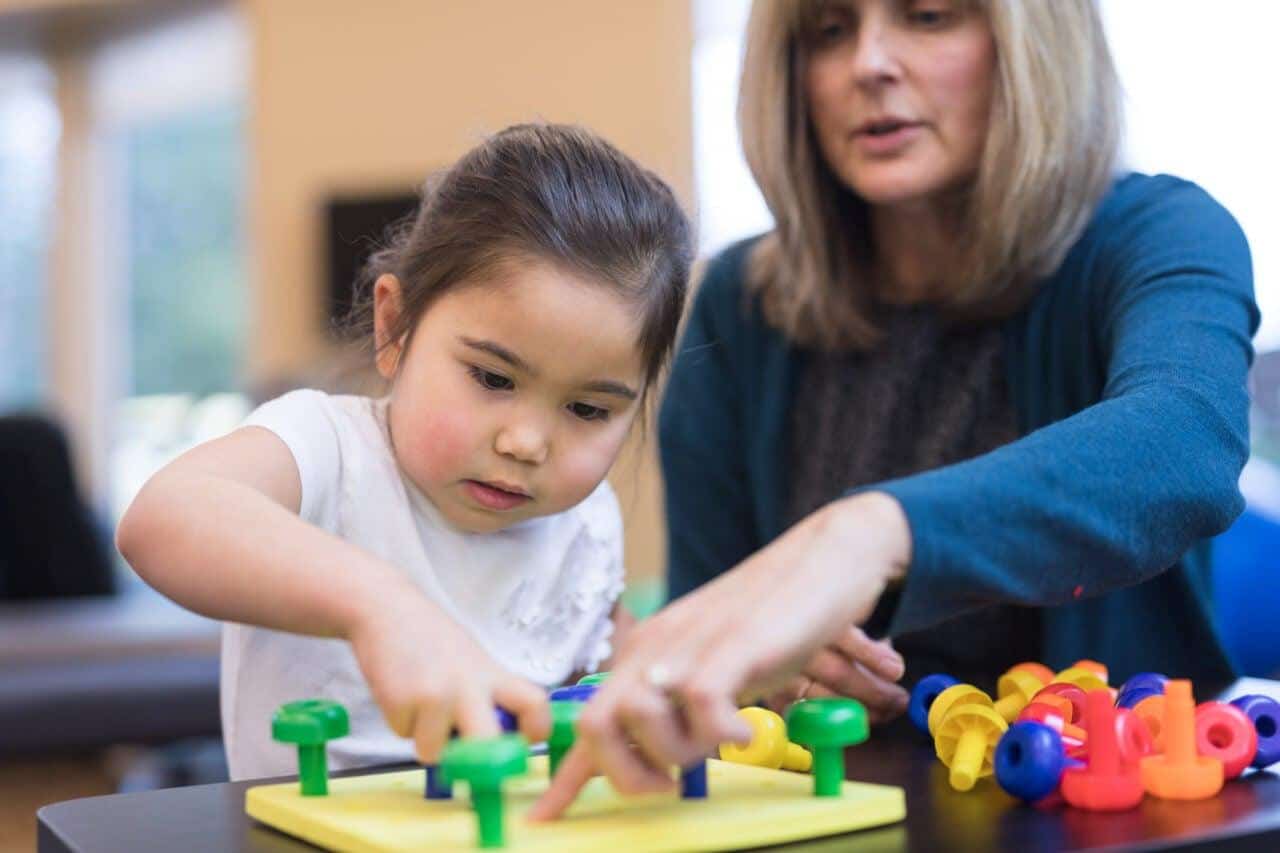
Occupational therapy helps children develop the skills needed for everyday activities and independence. This may include improving fine motor skills, handwriting, sensory processing, attention, self-care tasks such as dressing or feeding, and participation in school and play activities. Occupational therapy helps children function more successfully in daily life.
Occupational therapy may help children with:
- Sensory Processing Difficulties
- Fine Motor Delays
- Autism Spectrum Disorder
- Developmental Delays
- Attention-Deficit/Hyperactivity Disorder (ADHD)
- Down Syndrome
- Cerebral Palsy
- Feeding Difficulties
- Handwriting Difficulties
- Coordination and Motor Planning Challenges
Physical Therapy
Physical therapy helps children improve strength, balance, coordination, posture, and movement skills. Physical therapists work with children to improve walking, running, climbing stairs, mobility, and overall physical development. Physical therapy helps children become more independent and confident in their movement abilities.
Physical therapy may help children with:
- Gross Motor Delays
- Cerebral Palsy
- Muscular Dystrophy
- Down Syndrome
- Spina Bifida
- Torticollis
- Developmental Delays
- Genetic Disorders
- Neurological Disorders
- Orthopedic Injuries or Conditions

Behavioral Therapy
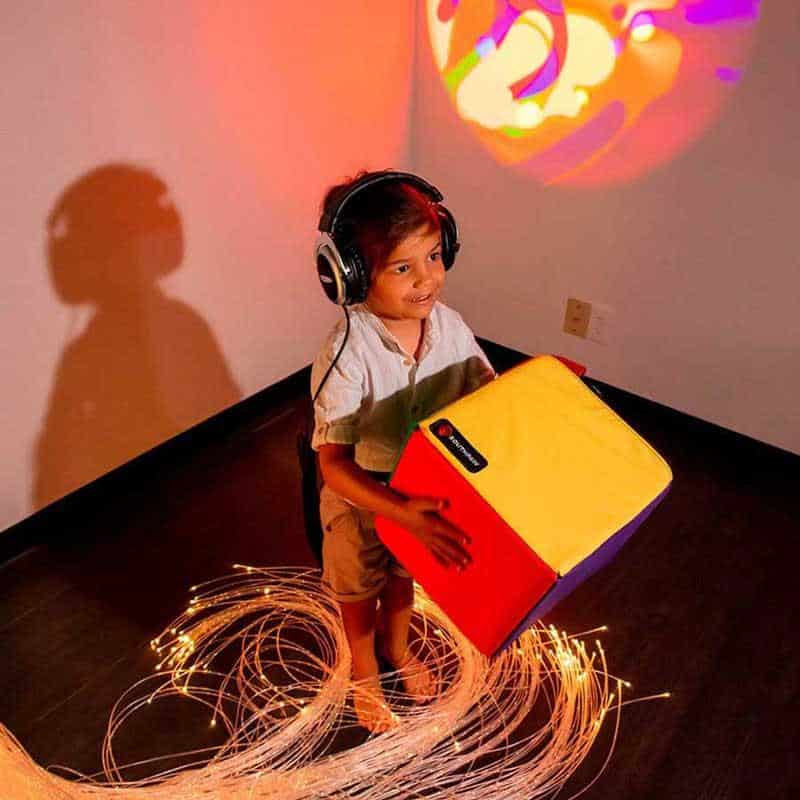
Behavioral therapy helps children develop positive behaviors, emotional regulation, social skills, and coping strategies. This therapy may help reduce challenging behaviors, improve attention and daily routines, and support children in learning appropriate ways to communicate and interact with others. Behavioral therapy can help children succeed at home, school, and in social settings.
Behavioral therapy may help children with:
- Autism Spectrum Disorder
- Attention-Deficit/Hyperactivity Disorder (ADHD)
- Anxiety
- Behavioral Challenges
- Emotional Regulation Difficulties
- Oppositional Behaviors
- Social Skills Deficits
- Developmental Delays
- Adjustment Difficulties
- Difficulty with Daily Routines and Transitions